Aquaculture
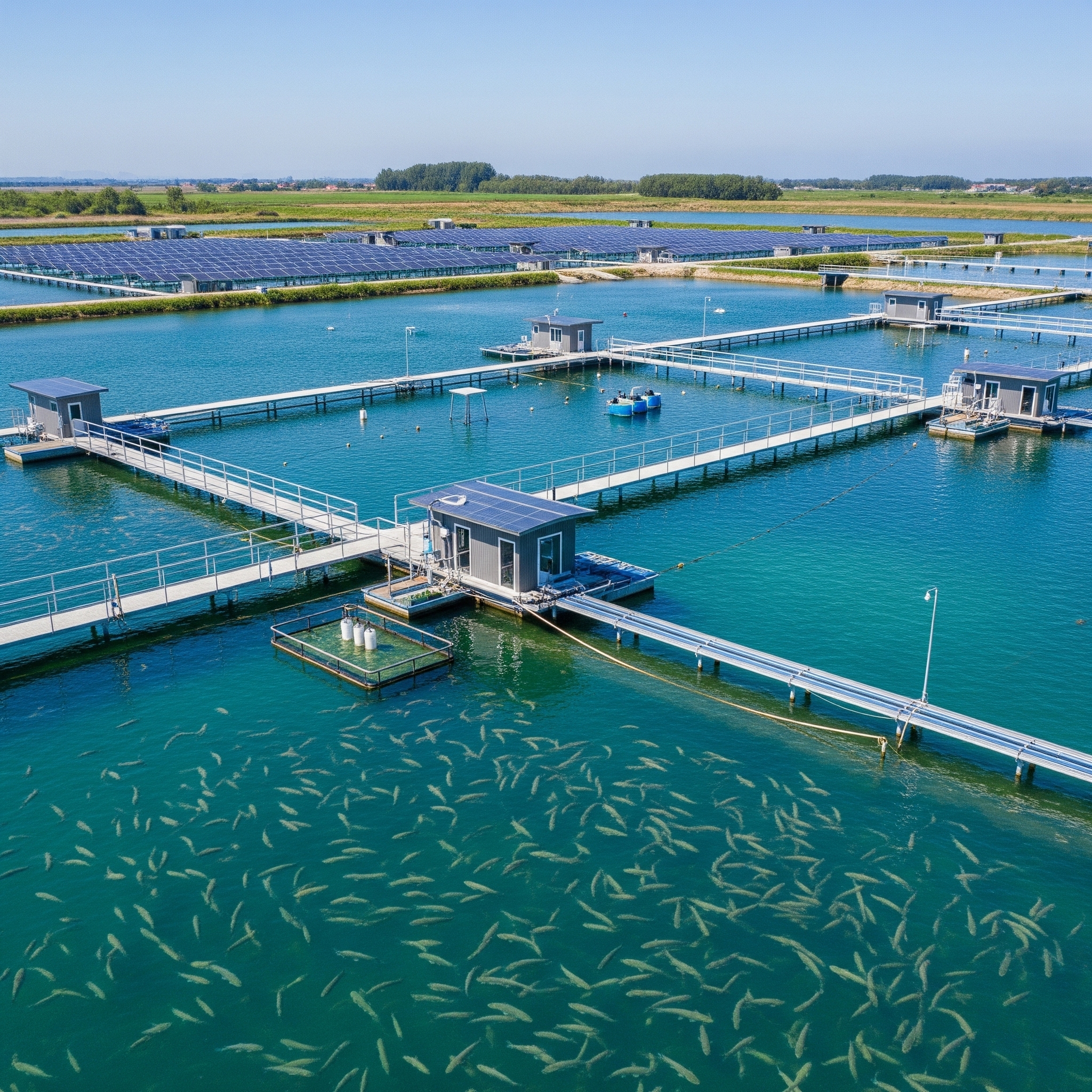
Aquaculture Waste & Environmental Responsibility
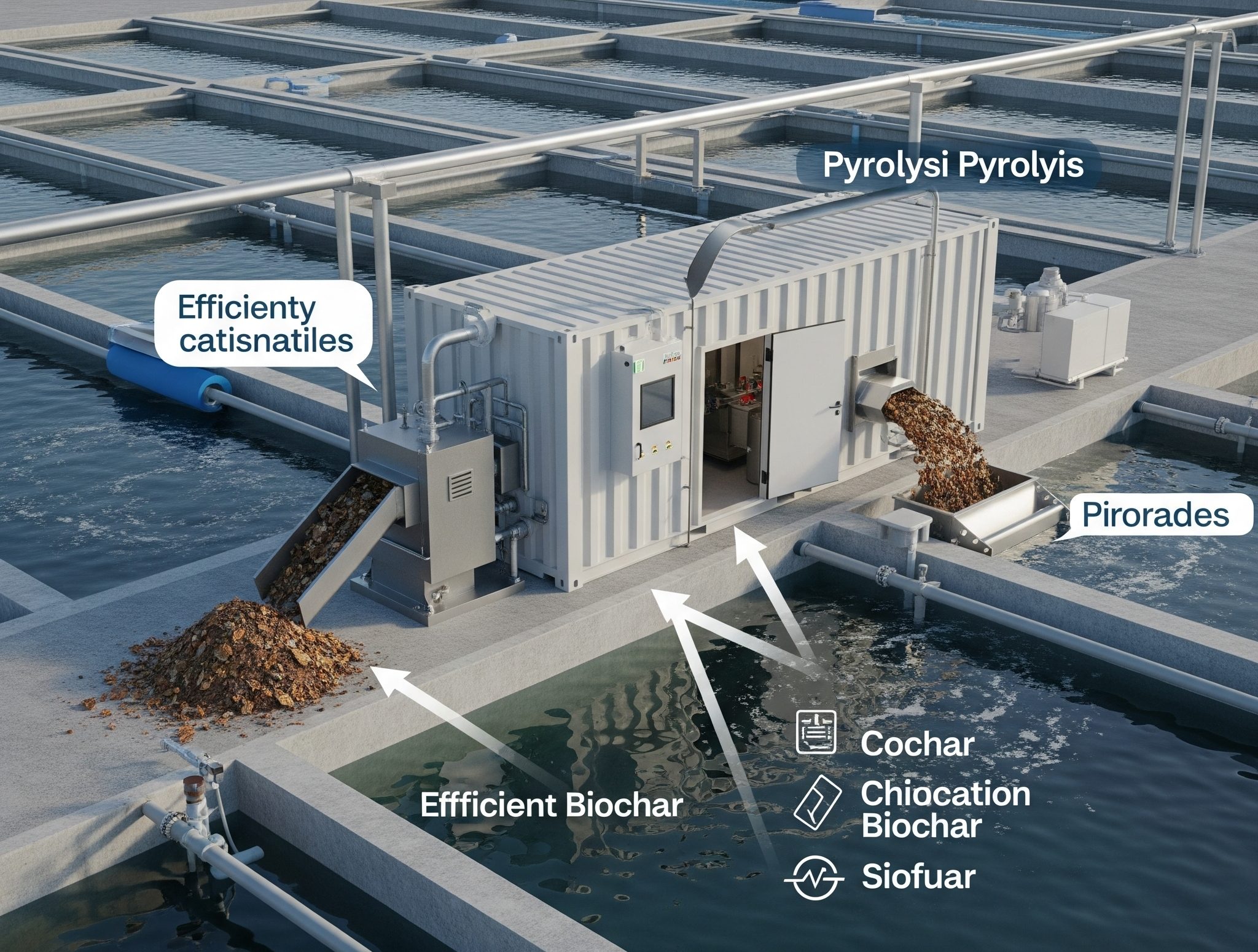
Pyrolysis Technology for Aquaculture
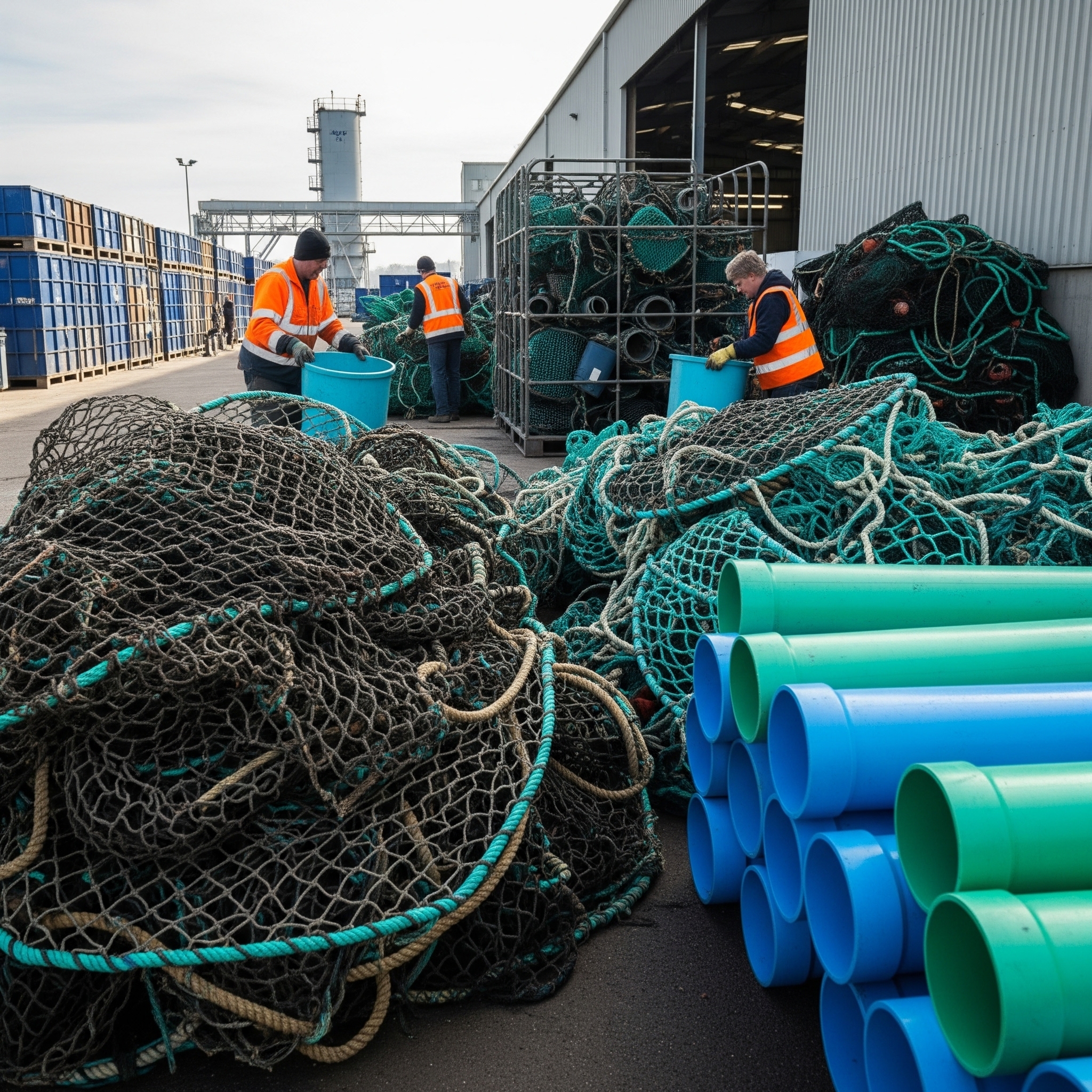
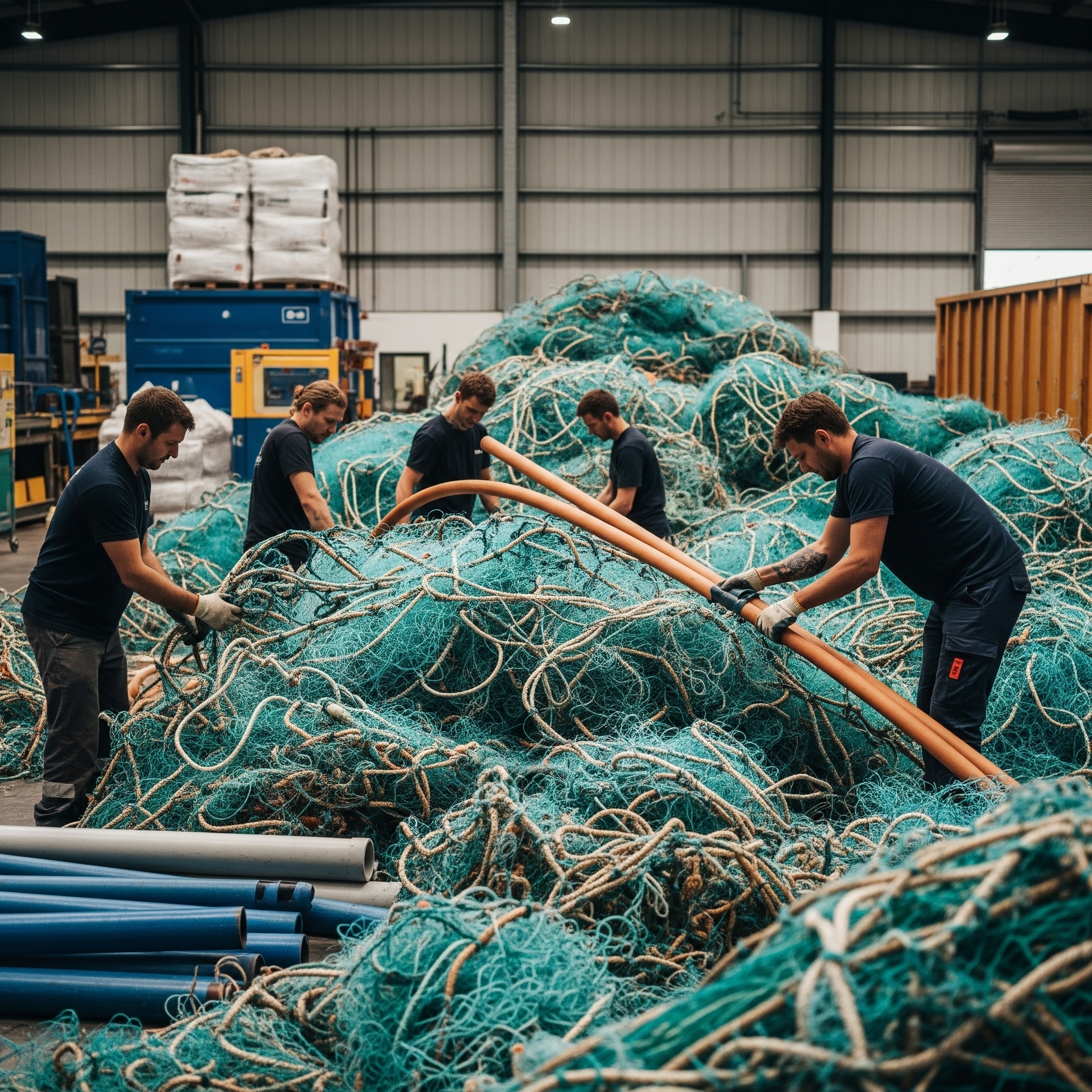
Our containerized, modular system is specifically designed to handle a comprehensive range of aquaculture-related plastic waste, ensuring a holistic solution for the industry:
- HDPE Aquaculture Pipes: Durable, high-density polyethylene pipes used extensively in fish farming infrastructure.
- Fishing Nets & Salmon Cages: End-of-life netting and structural components from marine and freshwater aquaculture operations.
- Other Marine Plastic Debris: Various problematic plastics recovered from marine environments, contributing to ocean clean-up efforts.
- General Retail Plastics: As an added benefit, our versatile technology can also process other locally generated plastic waste, maximizing efficiency and resource recovery.
A New Era of Sustainability for Aquaculture
Drastically Reduced Carbon Footprint
By processing waste locally, we eliminate the substantial emissions associated with transporting plastics to distant mainland disposal sites. Furthermore, our pyrolysis process naturally sequesters carbon into stable forms like biochar, actively contributing to global decarbonization efforts and helping meet stringent climate targets.
Creation of Valuable By-products
We focus on sustainability by producing biochar, which improves soil health, crop yields, and carbon capture, with added uses in construction and animal care. From composite plastics like GRP, we recover glass fibers to reduce reliance on virgin materials. Our technology also enables turquoise hydrogen production from syngas, offering a cleaner fuel for applications like marine transport.
Expertise & Commitment
G-NRGY’s technology is built on a foundation of rigorous development, expert validation, and a commitment to real-world impact:
- Proven Technology (TRL 7): Our process has undergone thorough review by independent subject matter experts and has achieved a Technology Readiness Level (TRL) of 7.
- Strategic Collaborations: We are actively collaborating with leading EPC (Engineering, Procurement, and Construction) contractors and renowned academia in both the UK and Scandinavia.
- Leadership in Sustainable Innovation: Our involvement in "Project 14: Co-conversion of Plastic and Biomass – Turquoise Hydrogen" underscores our commitment to cutting-edge research and development in next-generation sustainable energy solutions.

Frequently Asked Questions
What types of plastic waste can G-NRGY's technology process?
Our containerized pyrolysis system is highly versatile and can process a wide range of plastic waste from the aquaculture industry, including HDPE aquaculture pipes, fishing nets, salmon cages, and other problematic marine plastic debris. It can also handle general retail plastics.
What are the main outputs of the pyrolysis process?
The primary outputs are clean biofuel/energy (which can be used for heat and electricity), valuable biochar, and recoverable materials like glass fibers from composites. Additionally, the process generates syngas with the potential for hydrogen production (turquoise hydrogen).
How does G-NRGY's technology contribute to decarbonization?
Our technology contributes to decarbonization by diverting plastic waste from landfills (reducing methane and CO2 emissions), producing low-carbon biofuels, and enabling carbon sequestration through biochar. It also reduces emissions associated with waste transportation.
Is the technology proven and reliable?
Yes, our technology has undergone rigorous review by subject matter experts and has been assessed at a Technology Readiness Level (TRL) of 7. This indicates that it has been successfully demonstrated in an operational environment, confirming its effectiveness and reliability.
Can this technology be deployed in remote or offshore locations?
Absolutely. Our system is designed to be containerized and modular, making it ideal for strategic locations, including remote island communities, industrial sites, and potentially even marine-based operations in the future.
What is the benefit of producing biochar?
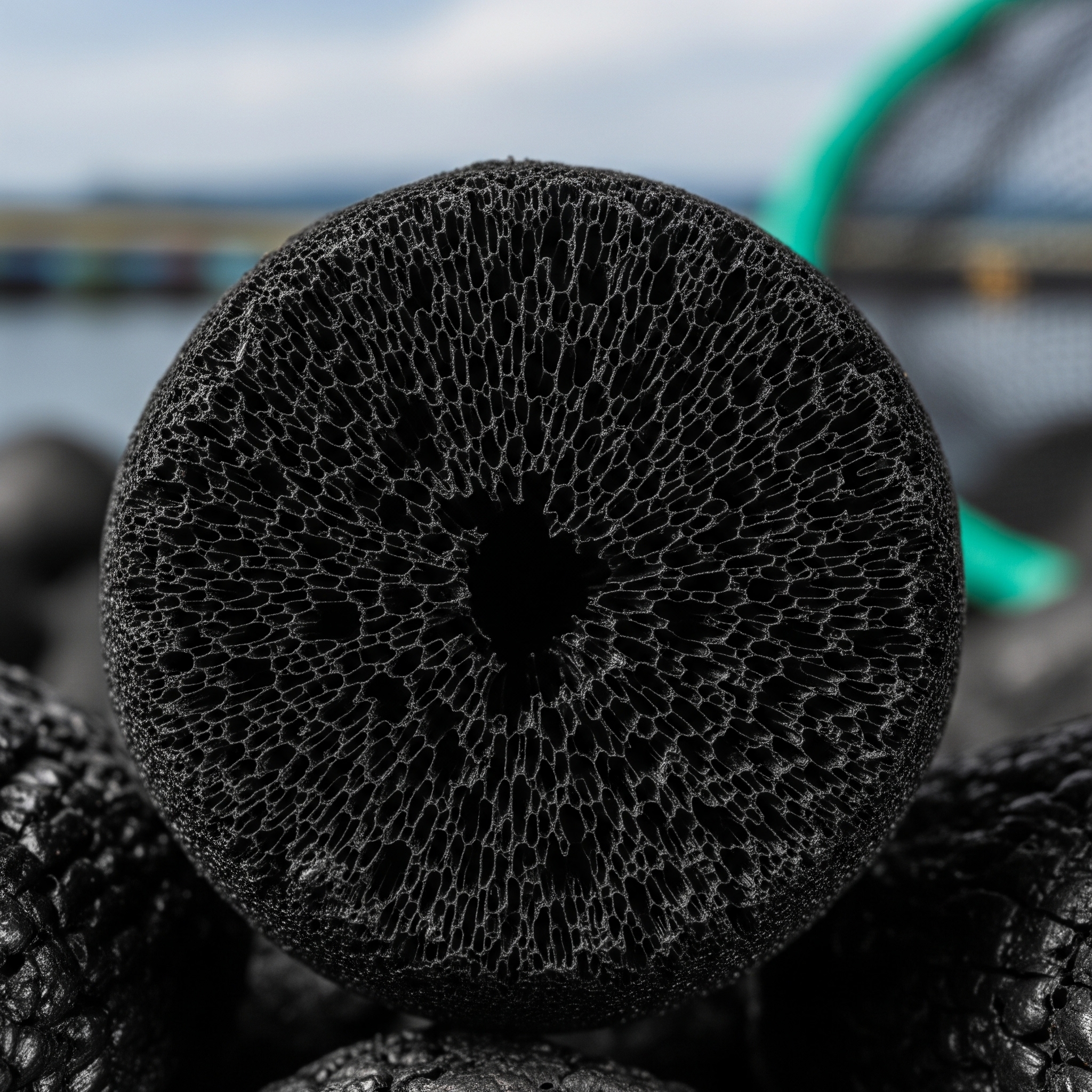
Biochar is a highly stable, carbon-rich material that offers numerous benefits. In agriculture, it significantly improves soil health, enhances crop growth, and increases yields. It also has applications in construction, animal feed, and as an adsorbent for environmental purification.
How can G-NRGY help my business comply with environmental regulations?
By implementing our technology, your business can significantly reduce its waste footprint and greenhouse gas emissions, helping you meet and exceed national and international environmental standards, such as Norway’s NS-EN 17988 and SN-CEN/TS 18101.